

 Luigi Dacumos
If you’re struggling with a disability that makes it impossible to work, getting help shouldn’t feel like a full-time job. However, for many Americans, applying for Social Security Disability Insurance (SSDI) can be a confusing, frustrating, and time-consuming process. The good news? Once you understand how the process works and what you need to qualify, things get a lot easier. This guide breaks it all down—step by step—so you can stop worrying and start focusing on your health and stability.
Let’s walk through how to qualify for SSDI and how to give yourself the best chance of being approved for the benefits you’ve earned.
What Is SSDI and Who Is It For?
SSDI (Social Security Disability Insurance) is a federal program designed to assist individuals who are unable to work due to a severe medical condition. It’s not a handout—it’s a benefit you’ve paid into through your Social Security taxes while working. If you’ve spent enough time in the workforce and your condition meets the Social Security Administration’s (SSA) definition of disability, you may qualify.
To put it simply: if you’ve worked and paid into the system, and now you can’t work due to a long-term or permanent disability, SSDI could be your lifeline.
Step 1: Make Sure You’ve Worked Long Enough
One of the biggest misunderstandings about SSDI is that anyone with a disability can qualify. But SSDI is tied to your work history.
To be eligible, you need to have earned enough work credits, which are based on your yearly income and how many years you’ve worked. Most people require at least 40 work credits, with 20 of those credits having been earned within the last 10 years. Younger applicants may qualify with fewer credits.
You can check how many work credits you have by creating a free account with the SSA here
https://www.ssa.gov/myaccount/
Step 2: Make Sure Your Condition Qualifies

The Social Security Administration maintains a detailed Listing of Impairments, also called the “Blue Book,” that outlines medical conditions that may qualify for benefits. These include:
- Musculoskeletal disorders (like back problems or joint issues)
- Cardiovascular conditions (such as heart disease)
- Mental health conditions (including severe depression or PTSD)
- Neurological disorders (like epilepsy or multiple sclerosis)
- Autoimmune diseases (such as lupus or rheumatoid arthritis)
However, even if your condition isn’t listed, you may still qualify if it prevents you from performing any substantial gainful activity (SGA). The SSA defines this as making more than $1,550 per month (as of 2024) from work.
You can view the full list of qualifying conditions here:
https://www.ssa.gov/disability/professionals/bluebook/
Step 3: Gather Strong Medical Evidence
Your application hinges on the strength of your medical documentation. The SSA doesn’t just take your word for it—they want detailed proof that your condition prevents you from working.
Here’s what you should gather before applying:
- Recent medical records
- Doctor’s notes detailing your limitations
- Results from lab tests, MRIs, and imaging
- A list of all medications and treatments
- Statements from specialists and therapists
- Work history reports that show how your condition impacts your daily job functions.
If possible, ask your doctor to provide a written statement explaining how your disability impacts your ability to perform everyday tasks. This can go a long way in supporting your claim.
Step 4: Complete the Application (The Right Way)
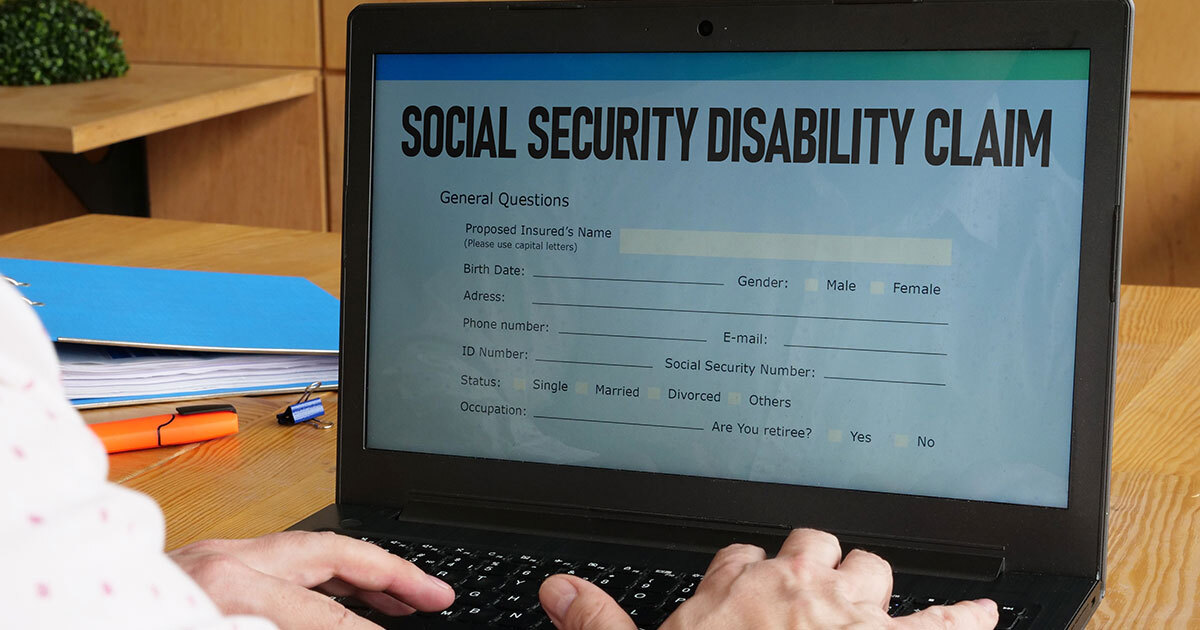
You can apply for SSDI online, over the phone, or in person. Online is usually the fastest and most convenient option.
Apply here:
https://www.ssa.gov/benefits/disability/
What you’ll need:
- Your Social Security number
- Birth certificate or proof of birth
- Contact information for doctors, hospitals, and clinics
- Dates of all medical visits
- A detailed work history
- W-2 forms or self-employment tax returns from the past year
Take your time and double-check everything. Mistakes or missing information can delay your application or lead to a denial.
Step 5: Be Ready for a Wait—and Possibly a Denial
Unfortunately, many first-time SSDI applications are denied. This doesn’t mean you’re not eligible—it often just means something was missing or unclear.
If your application is denied, don’t give up. You have the right to appeal, and many applicants win their case at the appeals stage, especially with legal help.
You can learn more about the appeals process here:
https://www.ssa.gov/benefits/disability/appeal.html
In the meantime, continue getting medical care, follow your doctor’s advice, and keep records of everything. Consistency helps prove the seriousness of your condition.
Tips to Boost Your Approval Chances
Here are some tried-and-true ways to strengthen your SSDI case:
- Work with a disability attorney: They know the process inside and out, and they only get paid if you win.
- Be honest about your limitations: Don’t exaggerate, but don’t downplay your condition either.
- Keep a daily journal: Note symptoms, doctor visits, and how your disability affects everyday life.
- Respond quickly: If SSA requests more info or schedules a medical exam, don’t delay.
- Follow treatment plans: Skipping appointments or not following medical advice can hurt your case.
You Deserve the Support You Paid Into
Living with a disability is hard enough. Getting help shouldn’t be. SSDI is more than a safety net—it’s a right you’ve earned through your years of work. With the right knowledge, the right paperwork, and a little persistence, you can claim the benefits you need to move forward with confidence.
If you or someone you love is struggling with the SSDI process, don’t go through it alone. Learn more, get the facts, and take the first step today.
Need Help Now? Start Here
- Check your eligibility and work credits: https://www.ssa.gov/myaccount/
- Apply online for SSDI: https://www.ssa.gov/benefits/disability/
- Review qualifying conditions: https://www.ssa.gov/disability/professionals/bluebook/
- Appeal a denied application: https://www.ssa.gov/benefits/disability/appeal.html.
Final Thought
You’ve worked hard. If a disability is standing in the way of your ability to earn a living, SSDI is here to help. It’s not a handout—it’s a promise kept. And with the right steps, you can get the benefits you deserve.
Ready to apply or need more guidance? Take that next step now and empower your future.