
 Luigi Dacumos
If you or someone you love is managing diabetes or high blood pressure later in life, you already know how much these conditions can affect daily routines. The good news: there are proven strategies — and government programs — designed specifically to help seniors live well with these diagnoses.
American Hope Resources is here to guide you through the resources available and the steps you can take to stay on top of your health.
Know Your Numbers — and What They Mean
Managing chronic conditions starts with understanding what you’re measuring and why it matters.
- For diabetes: your A1C level (a measure of average blood sugar over 3 months) should ideally be below 7% — ask your doctor what target is right for you
- For hypertension: a reading below 130/80 mmHg is the general goal for most seniors, though your doctor may recommend different targets
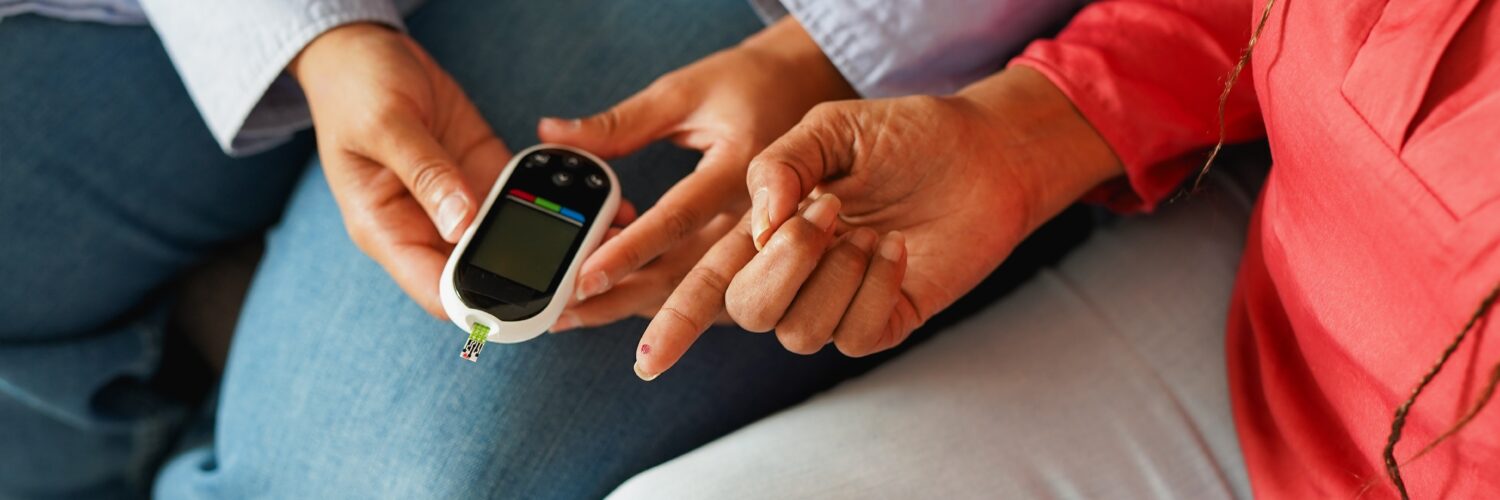
- Both conditions benefit from home monitoring — blood glucose meters and blood pressure cuffs are often covered by Medicare
Medicare Part B covers diabetes self-management training, diabetes supplies, and certain preventive screenings for hypertension — at no cost if you’ve met your deductible.
Lifestyle Changes That Make a Real Difference
Medication is often part of managing these conditions, but lifestyle changes can be just as powerful — and sometimes reduce the need for medication altogether.
- Eating a diet rich in vegetables, whole grains, and lean proteins — and low in sodium and added sugar — benefits both conditions
- Moderate exercise like walking 30 minutes a day can lower blood sugar and blood pressure significantly
- Quitting smoking dramatically lowers cardiovascular risk for seniors with either diagnosis
- Limiting alcohol reduces blood pressure and helps stabilize blood sugar
If you’re not sure where to start with diet changes, ask your doctor for a referral to a registered dietitian. Many Medicare plans cover medical nutrition therapy.
Government Programs That Can Help
You don’t have to manage these conditions alone — and you don’t have to pay full price for care. Several federal and state programs are designed to reduce the financial burden of chronic condition management.
Medicare Diabetes Prevention Program (MDPP): A covered benefit for Medicare enrollees at risk for diabetes. Includes lifestyle coaching in a group setting.
Extra Help / Low Income Subsidy: If you’re on Medicare and have limited income, this program helps pay for prescription drugs — including diabetes medications and blood pressure pills.
State Pharmaceutical Assistance Programs (SPAPs): Many states offer additional drug coverage for seniors that fills gaps Medicare leaves behind.
Community Health Centers: Federally Qualified Health Centers (FQHCs) offer sliding-scale care regardless of insurance status.
Don’t assume you earn too much to qualify for help. Many assistance programs have higher income thresholds than people expect — especially for seniors.
Work Closely with Your Care Team
Regular communication with your doctor is essential. At every visit, ask about:
- Your most recent lab results and what they mean
- Whether your current medication regimen is still the right fit
- Referrals to specialists (endocrinologist, cardiologist, certified diabetes educator)
- Preventive screenings covered by your insurance at no extra cost
A Final Word
Managing diabetes or hypertension as a senior is very much possible — and living well with these conditions is not an exception. It’s the expectation when you have the right information, the right support, and the right resources in your corner.
American Hope Resources is committed to helping you find every benefit and program available to you. You’ve earned that support.
Related resources:
- Medicare Diabetes Prevention Program — medicare.gov
- Extra Help / LIS — ssa.gov/extrahelp
- Find a Community Health Center — findahealthcenter.hrsa.gov
- National Institute on Aging — nia.nih.gov