
 Luigi Dacumos
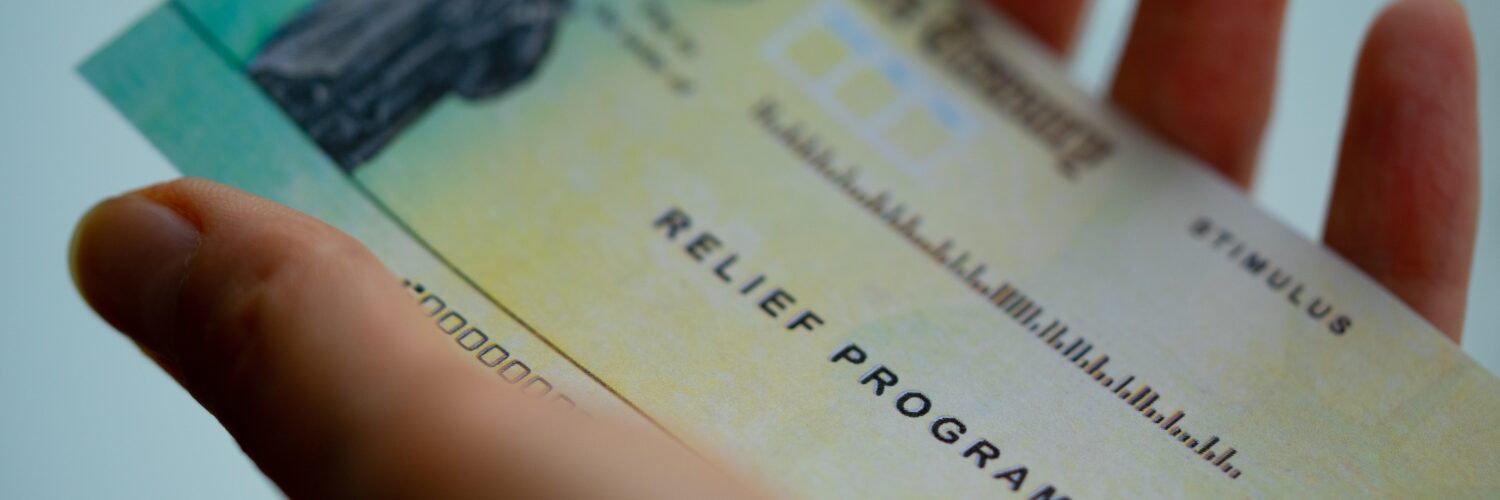
While the federal stimulus check program has ended, millions of Americans still haven’t claimed money they’re entitled to from previous rounds. You can recover these funds through the IRS Recovery Rebate Credit, and several states continue offering their own relief payments in 2024.
Understanding Recovery Rebate Credits for Missed Payments
The federal government issued three rounds of Economic Impact Payments between 2020 and 2021, but not everyone received what they qualified for. If you didn’t get your full payment or missed it entirely, the IRS created the Recovery Rebate Credit specifically for people in your situation. This isn’t a new stimulus payment. Think of it as a way to claim the original money you should have received.
The Recovery Rebate Credit lets you retroactively claim these payments when you file your tax return. You don’t need to apply for a stimulus check separately. The process happens through your normal tax filing, making it accessible even if you’ve never dealt with recovery credits before.
Many people missed their payments because they didn’t file taxes in 2020 or 2021, experienced life changes like having a baby or getting married, or had outdated information on file with the IRS. Whatever your reason for missing out, you still have options to get that money.
Who Still Qualifies for Retroactive Stimulus Money
You might qualify for retroactive stimulus money if you were eligible for the original payments but never received them. The first round provided up to 1200 dollars per adult, the second offered 600 dollars, and the third delivered 1400 dollars. Dependents also qualified for additional amounts in each round.
Your eligibility depends on your income during the payment years. Single filers earning under 75000 dollars and married couples making less than 150000 dollars qualified for full payments. The amounts decreased gradually for higher earners. If your income dropped in 2020 or 2021 compared to 2019, you might qualify even if you initially thought you wouldn’t.
People who had babies or added dependents during these years often qualify for additional money they didn’t receive. The same goes for anyone who got married or experienced other family status changes. Your situation in the specific tax year determines your eligibility, not what’s happening now in 2026.
How to Claim Unclaimed Payments Through Your Tax Return
Claiming your unclaimed payments requires filing or amending a tax return for the year you missed the payment. If you didn’t file a 2020 tax return, you’ll need to complete one to claim the first two stimulus payments. The third payment requires a 2021 return. You can still file these returns even though the original deadlines have passed.
The IRS Form 1040 includes a line specifically for the Recovery Rebate Credit. You’ll calculate the amount you should have received and subtract what you actually got. The difference becomes part of your tax refund or reduces what you owe. The process feels straightforward once you gather your information.
Free tax filing software often walks you through claiming the credit automatically. You answer questions about your situation, and the program calculates your eligibility. Many people discover they’re owed money they didn’t even know existed.
Current Government Relief Programs Replacing Stimulus Checks
While direct stimulus checks have stopped, emergency financial help continues through different programs. The government expanded various assistance programs that serve similar purposes to the original payments. These programs target specific needs rather than providing universal payments.
SNAP benefits received significant increases to help with food costs. Many states enhanced their unemployment insurance programs. Child Tax Credit expansions put money directly in families’ pockets throughout qualifying years. These programs provide ongoing support rather than one-time payments.
Several cities and counties created guaranteed income pilot programs. These initiatives provide monthly payments to qualifying residents, functioning like regular stimulus money for selected participants. The programs focus on residents facing economic hardship.
State-Level Stimulus and Tax Rebate Programs
State governments continue offering their own relief payments in 2026. California has issued Middle Class Tax Refunds. Colorado sent out cashback payments funded by surplus state revenue. Georgia, Virginia, and several other states provided one-time tax rebates to residents.
These state programs work differently from federal stimulus checks. Some base eligibility on state tax returns. Others use income thresholds specific to the cost of living in that state. The amounts vary widely, with some states offering a few hundred dollars while others provide over a thousand.
You need to check your specific state’s programs because requirements and availability change frequently. Most states that offer these payments don’t require separate applications. They use existing tax information to determine who qualifies.
Processing Times and What to Expect
When you claim Recovery Rebate Credits through your tax return, expect processing to take longer than a standard refund. The IRS reviews these claims carefully to prevent fraud. Most people receive their money within six to eight weeks of filing, though some cases take longer.
If you’re filing a return for a previous year, the timeline extends slightly. The IRS prioritizes current year returns, so older filings might sit in the queue longer. Paper returns take significantly more time than electronic filing. Choosing direct deposit also speeds up the process compared to waiting for a paper check.
If your claim gets flagged for review, the IRS will contact you. They might request additional documentation to verify your eligibility. Responding quickly to these requests keeps your claim moving forward.
Find out if you have unclaimed stimulus money waiting and learn how to file for it today. American Hope Resources connects you with information about retroactive payments and current assistance programs available in your area.